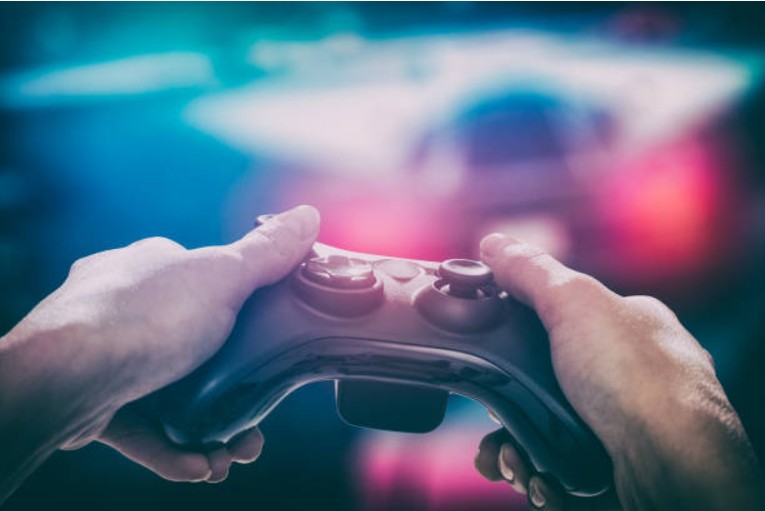
Why does online gaming sometimes feel less like a hobby and more like being part of a live cultural moment?
The answer is simple: online games are not just software running in the background. They are social spaces where people talk, react, compete, create jokes, and share habits in real time. That mix of interaction and timing makes the experience feel immediate, social, and culturally alive.
When millions of players log in at the same time, they are not only playing the same title. They are reacting to the same updates, the same strategies, the same memes, and the same shifting norms. That shared timing gives online gaming a feeling similar to watching a live event unfold with a crowd.
Shared Timing Creates Shared Meaning
Online gaming feels cultural because people experience it together, not alone.
In single-player games, your experience stays private. In online games, your choices happen beside other people’s choices, and that changes the mood completely. A match, raid, or lobby becomes a small social stage where players adjust to each other in real time. Even a simple win or loss can spark jokes, rivalries, and stories that spread across chats and forums.
The timing matters too. When players across different places react to the same update or event, they create a shared reference point. That is a lot like how people talk about a live concert, sports match, or major show. The game becomes more than a set of mechanics. It becomes something people remember together.
Live Reactions Shape The Experience
One reason the feeling is so strong is that players do not wait long to see feedback. A move lands, an opponent answers, teammates respond, and the session keeps moving. That quick exchange creates a sense of direct connection. It also means players read tone from speed, timing, and behavior, not just from words.
Those reactions often turn into social habits. Players develop favorite phrases, repeatable jokes, and unwritten rules that make sense only to people inside that space. Over time, those habits form a shared language that feels cultural in a very real way.
Online Games Reflect Real Social Behavior
Online gaming feels familiar because people bring real-life behavior into it.
Players form groups, test trust, compete for status, and coordinate under pressure. That sounds a lot like everyday social life, just compressed into faster moments. You can see leadership, cooperation, impatience, humor, and conflict all in one session. Since people are involved, the game starts reflecting how communities work outside the screen too.
There is also a strong sense of identity. Some players care about rank, others care about style, and others care about being known for a certain role or tactic. Those identities can shift the tone of an entire match or community. In that way, the game becomes a place where people express who they are and how they want to be seen.
If you want to see how communities around online play can develop their own habits and language, a place like website tangandewa shows how quickly a digital space can build its own routines and social rhythm.
Shared Culture Grows Through Repetition
Repeated play is a big part of the cultural effect. The same maps, modes, updates, and player types appear again and again, so communities develop expectations. Players start to know what counts as smart play, rude play, funny play, or risky play. Those shared standards are part of what gives online gaming its cultural texture.
Because the audience is active, culture changes fast. A tactic that was rare last month can become common next week. A joke can spread through a lobby and then across entire communities. That speed makes online gaming feel alive in a way that many other media forms do not.
Streaming And Chat Add A Live Crowd Feeling
Another reason online gaming feels like a culture in motion is the audience around it.
People do not only play games. They watch them, comment on them, clip them, and discuss them while they happen. That second layer of participation gives gaming a public side. A match is no longer just a private event between players. It can become a shared conversation with viewers, commenters, and friends following along.
Live chat makes this especially clear. When a crowd reacts at once, the mood shifts fast. A tense moment feels bigger. A funny mistake spreads faster. A clever move can become part of a community’s memory within minutes. This feedback loop is one reason online gaming feels closer to a live cultural performance than a static piece of media.
For some users, even a name like sbobet sits inside a larger pattern of live reaction, shared commentary, and fast-moving social talk.
Memes, Language, And Rituals Build Identity
Online gaming also feels cultural because it produces its own small traditions.
Players repeat phrases, celebrate victories in familiar ways, and joke about common failures. These habits may look trivial from the outside, but they matter a lot inside the community. They create belonging. If you know the slang, the timing, and the references, you feel part of the group right away.
Small Rituals Make Big Communities Feel Close
Even simple acts can become meaningful. Waiting for a teammate, starting a match with the same phrase, or reacting to a close call in a predictable way can create a sense of ritual. Rituals help communities stay recognizable. They give players a shared frame for what is happening and how to respond.
Final Thoughts
Online gaming feels like a real-time cultural experience because it combines interaction, timing, and community in one place. Players are not alone, and they are not passive. They react to one another, shape group norms, and build shared memories while everything is still unfolding. The result is a medium that feels alive, social, and deeply human.