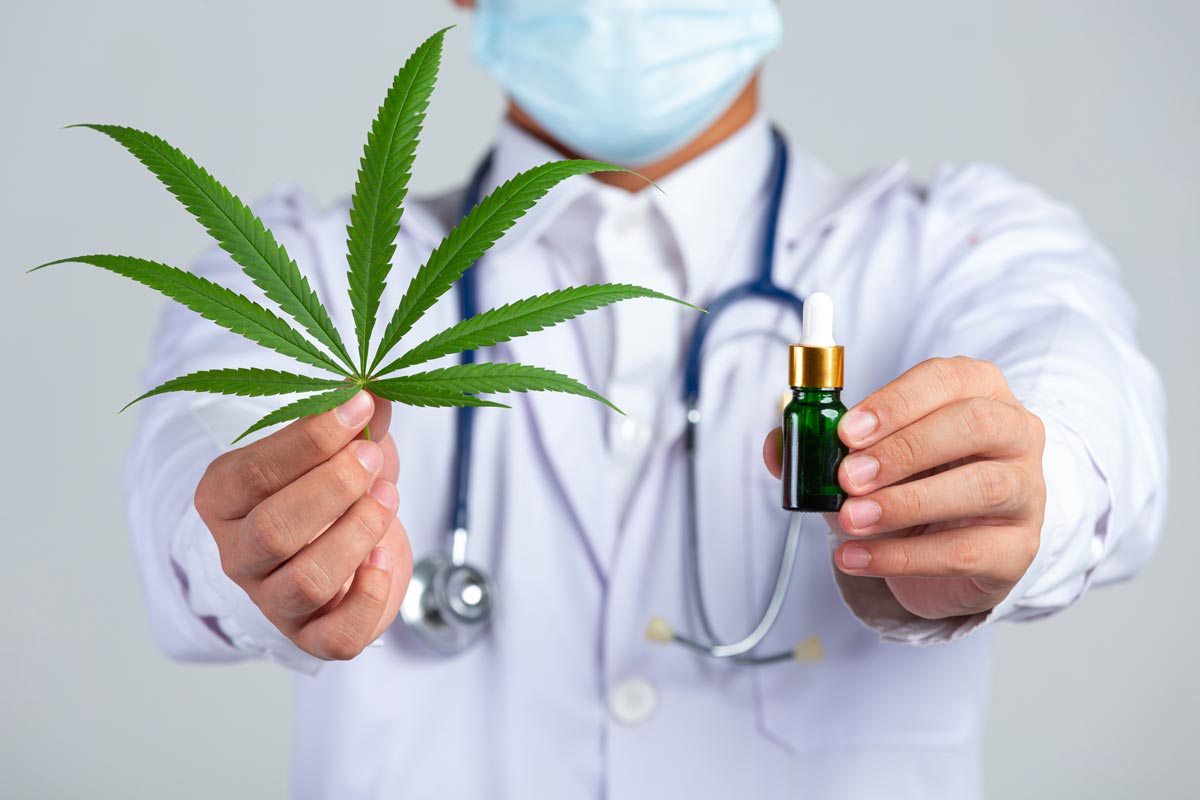
For someone who has never considered medical cannabis before, the process can seem like a series of unfamiliar steps. It often begins with a simple question: could medical marijuana be an option for my situation? From there, patients may start researching state requirements, speaking with healthcare providers, and learning what participation in a medical cannabis program actually involves.
The journey is different for everyone, but having a general understanding of the process can make those first steps feel much less complicated.
It Usually Starts With Questions
Most people don’t begin by immediately scheduling an appointment. They start by looking for information. They may want to know whether their condition qualifies, what medical cannabis can be used for, how the process works, or whether they can continue their existing treatments.
This initial research can be useful, but it is important to distinguish general information from personal medical advice. Online articles can explain how a program works, but only a qualified healthcare professional can assess an individual’s circumstances.
Starting with questions rather than assumptions gives patients a better foundation for the next stage.
Learning the Rules in Your State
Medical cannabis isn’t governed by one set of nationwide rules. Each state has its own eligibility requirements, registration system, approved products, and purchasing regulations.
Georgia has established its own Medical Cannabis Patient Registry for eligible residents. The program allows certified patients to legally possess certain amounts of low-THC oil containing no more than 5% THC.
This means someone researching a Georgia medical marijuanas card needs to look specifically at the state’s requirements rather than relying on information about medical marijuana programs elsewhere.
Finding a Qualified Physician
Once someone believes they may qualify, the next step is usually finding an appropriate healthcare provider. A physician who participates in the state’s program can evaluate the patient’s medical history and determine whether certification is appropriate.
Patients should check that the doctor is properly licensed and authorized to participate in the program. It’s also worth considering whether the provider has experience with the patient’s particular condition and whether the consultation provides enough time to discuss questions and concerns.
The goal isn’t simply to find the fastest appointment. Finding a provider who takes the medical evaluation seriously can make the entire process more informative.
Preparing for the Appointment
A little preparation can make the consultation much easier. Patients should be ready to discuss their diagnosis, symptoms, current medications, previous treatments, and relevant medical history.
It can help to write down questions beforehand. Someone considering medical cannabis might want to ask about eligibility, potential benefits and risks, available treatment options, follow-up appointments, and what happens after certification.
You don’t need to know everything about cannabis before seeing the doctor. The consultation is an opportunity to have a professional conversation about whether it may be appropriate for your situation.
The Physician Makes the Medical Decision
One common misconception is that completing an appointment automatically results in certification. That’s not how a legitimate medical evaluation works.
The physician needs to assess the patient’s circumstances and use their professional judgment. In Georgia, physicians must establish a physician-patient relationship and evaluate the patient’s medical history and current condition before certifying them for the state’s medical cannabis program.
This is why patients should be wary of clinics that promise guaranteed approval before a doctor has actually evaluated them.
Completing the Registration Process
If the physician determines that a patient qualifies, the next steps involve the state’s registry. In Georgia, the physician enters the patient’s information into the Medical Cannabis Patient Registry.
The Georgia Department of Public Health then verifies the information. Once the process is complete, eligible patients receive instructions for paying for and obtaining their medical cannabis card.
Understanding this sequence is useful because certification and receiving the card are separate parts of the overall process.
Understanding What Happens After Approval
Receiving approval is not the end of the journey. New patients still need to understand where they can legally obtain medical cannabis and what products are permitted under their state’s program.
Georgia’s medical cannabis system is specifically focused on low-THC oil. Patients shouldn’t assume that products commonly available through other state programs are automatically permitted in Georgia.
Taking time to understand these restrictions can prevent accidental violations and help patients have more realistic expectations about what their registration allows.
Treatment Is an Ongoing Conversation
Medical cannabis shouldn’t necessarily be viewed as a one-time decision. As with other healthcare options, patients may need to communicate with their healthcare providers about how treatment is progressing and whether anything needs to change.
It’s also important to keep other healthcare providers informed about medications and treatments being used. This allows the patient’s healthcare team to have a more complete understanding of their overall care.
Patients should never make major changes to prescribed medications without first discussing those changes with an appropriate healthcare professional.
Staying Informed Matters
Medical cannabis programs can evolve over time. Rules surrounding eligibility, registration, products, and access may change as state programs develop.
Patients can protect themselves from outdated information by checking official state resources periodically and asking their healthcare providers about changes that may affect them.
This is especially useful for patients who need to renew their registration or are returning to the program after a period away.
Taking the First Step
The medical marijuana journey usually doesn’t happen all at once. It starts with learning, continues with a conversation with a qualified healthcare provider, and then moves through certification and state registration if the patient is eligible.
For someone considering medical cannabis for the first time, there is no need to have everything figured out before beginning. Research the requirements, prepare for the medical consultation, ask questions, and take each stage one step at a time.
The most important part of the process is making an informed decision based on your individual health needs and the rules of the program where you live.