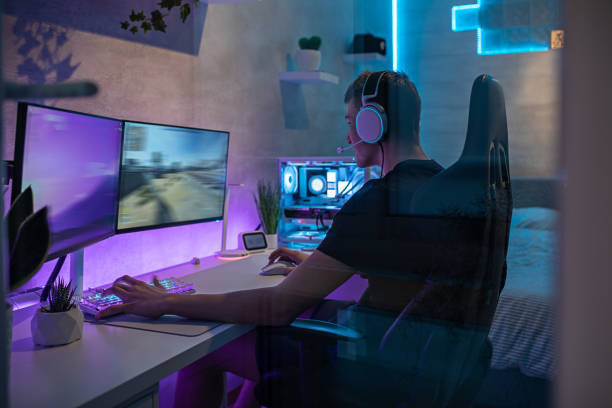
Have you ever wondered why playing an online game feels different from watching a movie, listening to music, or scrolling through social media?
All these activities offer entertainment, but online gaming adds something special: participation. Instead of simply watching what happens, players can make decisions, complete challenges, and influence certain parts of their experience.
From puzzle games and multiplayer adventures to online slots and strategy challenges, digital gaming offers different ways to enjoy free time.
But what exactly makes online gaming different? Understanding these differences can help beginners choose suitable games, manage their time, and enjoy digital entertainment responsibly.
Online Gaming Encourages Active Participation
One of the biggest differences between online gaming and other entertainment formats is the level of interaction.
When watching a movie, viewers follow a story created by someone else. In online games, players often control characters, solve problems, or make decisions that influence gameplay.
Players Can Influence What Happens
Imagine watching a racing competition on television. You can enjoy the excitement, but you cannot control the vehicles.
Now imagine playing an online racing game. You can steer your vehicle, choose when to accelerate, and decide how to approach difficult turns.
This involvement makes gaming different from passive entertainment.
However, not every online game offers the same level of control. Some games depend on skill, while others rely mainly on chance.
Different Games Offer Different Experiences
Online gaming includes many categories, each designed around different interests and gameplay styles.
Some games require quick reactions, while others encourage planning, creativity, or cooperation.
Popular Types of Online Games
- Puzzle games: Involve solving problems, matching objects, or completing logical challenges.
- Adventure games: Combine storytelling, exploration, and interactive missions.
- Sports games: Recreate activities such as football, basketball, and racing.
- Strategy games: Encourage planning, resource management, and decision-making.
- Multiplayer games: Allow people to cooperate or compete with others.
- Online slots: Feature spinning reels, themed symbols, and random outcomes.
For example, someone who enjoys solving problems might prefer a puzzle game, while a person interested in teamwork may choose a multiplayer adventure.
Understanding personal interests helps players select suitable entertainment without feeling overwhelmed by too many options.
Online Gaming Combines Entertainment With Challenges
Unlike many traditional digital entertainment activities, online games often include objectives that players must complete.
These objectives may involve solving puzzles, reaching certain levels, or completing missions.
Small Achievements Can Feel Satisfying
Consider a puzzle game where each level introduces a slightly different challenge.
You might need several attempts to understand the solution. Once you complete the level, you can see the result of your effort.
This creates a sense of progress that differs from simply watching a video.
However, players should avoid treating every challenge as something they must complete immediately.
Taking breaks and accepting unsuccessful attempts are important parts of maintaining a comfortable gaming experience.
Social Interaction Makes Gaming More Personal
Online gaming can also connect people through shared activities.
Many multiplayer games include communication features, cooperative missions, and team competitions.
These options allow players to interact while working towards common objectives.
Teamwork Adds Another Dimension
Imagine playing an online adventure game with three friends.
One person explores the environment, another solves puzzles, and someone else coordinates the team’s actions.
The group must communicate and make decisions together.
Even if the mission isn’t completed, the shared experience can still be enjoyable.
However, players should protect their privacy during online interactions.
Avoid sharing passwords, financial information, home addresses, or other sensitive details with strangers.
Creative Design Makes Online Gaming Interactive
Online games combine graphics, animation, sound effects, and interactive controls.
These elements help developers create different environments and communicate gameplay events.
For example, an adventure game might use changing backgrounds to show movement between locations.
A racing game could include engine sounds that respond to acceleration.
Why Simple Design Still Matters
Advanced graphics aren’t always necessary for an enjoyable experience.
Clear instructions, readable menus, and responsive controls can make games easier to understand.
When exploring gaming websites identified by names such as https://pg123.net/, users should check whether game rules, controls, and important settings are clearly explained.
However, attractive design alone does not establish that a website is secure, legitimate, or legally available.
Skill and Chance Create Different Gaming Experiences
Another important difference between online games is how their outcomes are determined.
Some games reward practice and strategic thinking. Others rely mainly on random results.
Skill-Based Games
In skill-based games, players may improve their performance through practice.
For example, learning the controls of a racing game can help someone navigate difficult tracks more effectively.
Strategy games may also reward careful planning and an understanding of game mechanics.
Chance-Based Games
Online slots are an example of chance-based entertainment.
Their results are generally determined using random number generators rather than player skill.
Two common terms associated with online slots are Return to Player (RTP) and volatility.
RTP describes the theoretical percentage of stakes a game is designed to return over a very large number of plays.
Volatility describes the general frequency and size of payouts.
Neither measure guarantees winnings or predicts what will happen during an individual session.
Choosing Online Gaming Platforms Requires Attention
Unlike watching freely available videos, some online games require account registration, personal information, or financial transactions.
This makes platform selection particularly important.
What Should Beginners Check?
Before using an online gaming website, consider the following:
- Are the game rules and instructions clearly explained?
- Does the website provide verifiable legal information where required?
- Are payment conditions and withdrawal policies transparent?
- How is personal information collected and protected?
- Are customer support and reporting options available?
- Does the platform provide responsible gaming controls?
For example, someone researching pg123 should independently verify the website’s identity, applicable licensing claims, and terms before participating.
Players should also confirm that any real-money gaming activity is legally permitted in their location.
Online Gaming Requires Healthy Time Management
Interactive games can hold people’s attention because they involve continuous challenges, decisions, and rewards.
While this can make gaming enjoyable, it also means players should manage their time carefully.
Practical Habits for Responsible Gaming
A few simple habits can help:
- Set a time limit before starting.
- Take regular breaks during longer sessions.
- Avoid spending money intended for essential expenses.
- Never increase bets to recover previous losses.
- Stop playing when feeling stressed or frustrated.
- Keep gaming from interfering with sleep, work, or relationships.
Real-money online gaming should always be treated as entertainment, not as a reliable way to earn income.
If gaming begins causing financial difficulties or emotional stress, taking a break and seeking support is important.
Conclusion
Online gaming differs from other forms of digital entertainment because it allows people to participate, make decisions, complete challenges, and interact with others.
While movies, music, and videos generally offer experiences that audiences observe, many online games allow players to influence what happens.
Different gameplay styles, creative designs, and social features also provide a wide range of entertainment choices.
However, understanding game mechanics, checking platform information, and maintaining sensible limits are essential.
Ultimately, what makes online gaming different isn’t just the technology. It’s the opportunity to take an active role in the entertainment experience while making informed and responsible choices.