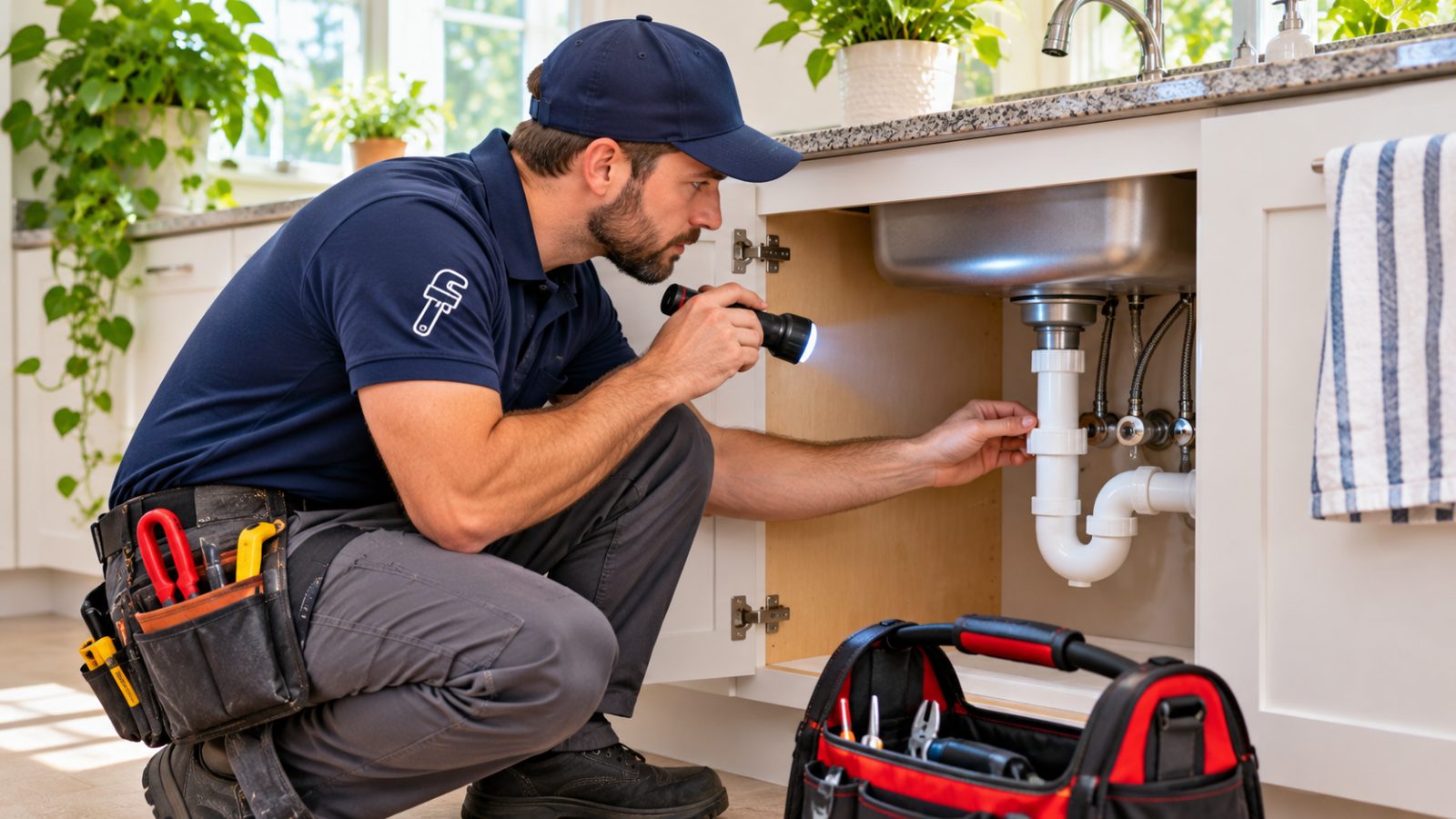
Your home’s plumbing system works quietly behind the scenes, delivering clean water and carrying wastewater away. Most homeowners don’t think about their pipes, drains, or water heater until something goes wrong. Unfortunately, neglected plumbing issues can lead to expensive repairs, wasted water, and property damage.
The good news is that many plumbing problems can be prevented or identified early with regular maintenance. Whether you own an older property or a newly built home, understanding basic plumbing care can help keep everything running smoothly.
Here are eight essential plumbing maintenance tips for homeowners to protect their property and avoid unnecessary emergencies.
1. Check for Hidden Plumbing Leaks
Not every plumbing leak creates an obvious puddle. Small leaks can develop beneath sinks, behind walls, around toilets, or near water heaters.
Regularly inspect accessible plumbing connections for moisture, corrosion, or water stains.
Common warning signs include:
- Unexplained increases in water bills
- Damp cabinets or flooring
- Musty odors
- Peeling paint or discolored walls
- Water appearing around plumbing fixtures
If you suspect a concealed leak, contacting an experienced Albuquerque plumber can help identify the source and determine the appropriate repair.
Addressing leaks early may prevent damage to flooring, drywall, cabinets, and other building materials.
2. Keep Grease and Food Waste Out of Kitchen Drains
Kitchen sink clogs frequently develop because grease, cooking oil, food scraps, and other debris enter the drainage system.
Although grease may appear liquid when hot, it can cool and accumulate inside pipes.
Over time, these deposits may restrict water flow and contribute to stubborn blockages.
To protect your kitchen plumbing:
- Dispose of cooking grease in the trash after it cools.
- Scrape food scraps into the garbage or compost.
- Use sink strainers to catch debris.
- Avoid putting coffee grounds down drains.
- Run water as recommended when using a garbage disposal.
These simple habits can help reduce recurring kitchen drain problems.
3. Pay Attention to Water Pressure Changes
Water pressure affects everyday activities such as showering, washing dishes, and doing laundry.
A noticeable change in pressure can sometimes indicate a plumbing problem.
Low water pressure may result from mineral buildup, partially closed valves, pipe corrosion, or hidden leaks.
If one faucet has weak flow, inspect its aerator for visible debris or mineral deposits.
However, if multiple fixtures suddenly experience reduced pressure, professional evaluation may be necessary.
Avoid ignoring unexplained pressure changes, especially when they occur alongside damp areas or increased water consumption.
4. Maintain Your Water Heater
Water heaters are essential household appliances, but they often receive little attention until hot water becomes unavailable.
Sediment can accumulate inside tank-style water heaters, particularly in areas with mineral-rich water.
Over time, buildup may affect heating performance and contribute to equipment wear.
Homeowners should watch for:
- Inconsistent water temperatures
- Unusual rumbling or popping noises
- Rust-colored hot water
- Moisture around the water heater
- Reduced hot-water availability
Follow the manufacturer’s maintenance recommendations, including inspection and flushing guidance where appropriate.
Because water heaters involve electricity or gas, professional servicing is generally the safest choice for technical maintenance and repairs.
5. Prevent Bathroom Drain Clogs
Bathroom drains commonly collect hair, soap residue, and other materials that gradually restrict water flow.
Installing inexpensive drain strainers can help capture hair before it enters the plumbing system.
Clean strainers regularly and avoid flushing items that aren’t intended for toilets.
Even products marketed as flushable may contribute to plumbing blockages.
If a bathroom drain repeatedly clogs or several fixtures back up simultaneously, the problem may be located deeper within the drainage system.
Avoid relying on harsh chemical drain cleaners, which can create safety concerns and may damage certain plumbing materials.
6. Protect Pipes During Cold Weather
Although Albuquerque experiences hot summers, winter temperatures can occasionally fall below freezing.
Exposed plumbing in garages, crawl spaces, or other poorly insulated areas may be vulnerable during cold weather.
Frozen water can expand inside pipes and increase the risk of damage.
Consider these preventive measures:
- Insulate exposed pipes in vulnerable locations.
- Disconnect outdoor hoses before freezing weather.
- Protect outdoor faucets where appropriate.
- Seal drafts around pipes entering exterior walls.
- Maintain adequate indoor heating during cold periods.
If you suspect a pipe has frozen, avoid using open flames or other unsafe heating methods.
A qualified professional can recommend appropriate steps for the situation.
7. Inspect Toilets for Leaks and Running Water
A continuously running toilet can waste a surprising amount of water.
Common causes include worn flappers, improperly adjusted fill valves, or other internal tank components.
Listen for water running long after flushing and check whether the toilet refills unexpectedly.
You can also place a few drops of food coloring into the toilet tank and wait without flushing. If colored water appears in the bowl, the tank may be leaking into it.
Other warning signs include water around the toilet base, recurring clogs, or a toilet that moves when used.
Prompt repairs can help prevent water waste and damage to nearby flooring.
8. Know Where Your Main Water Shutoff Valve Is Located
One of the most important plumbing maintenance steps doesn’t involve repairing anything.
Every homeowner should know where the main water shutoff valve is located and how to operate it.
During a burst pipe or major leak, quickly shutting off the water supply may significantly reduce property damage.
Main shutoff valves may be located near the water meter, where the water service enters the home, or in another accessible utility area.
Identify the correct valve before an emergency occurs.
If you’re uncertain which valve controls your home’s water supply, ask a qualified plumber for assistance.
When Should You Schedule Professional Plumbing Service?
Basic maintenance can prevent some problems, but certain situations require professional attention.
Consider scheduling plumbing service when you notice:
- Repeated drain blockages
- Persistent low water pressure
- Unexplained moisture or water damage
- Water heater performance problems
- Unusually high water bills
- Sewer odors or wastewater backups
- Leaking or damaged pipes
A professional inspection can help identify underlying issues that aren’t immediately visible.
Protect Your Home With Preventive Plumbing Maintenance
Regular plumbing maintenance doesn’t have to be complicated. Small habits such as inspecting accessible pipes, preventing drain clogs, monitoring water pressure, and maintaining your water heater can make a meaningful difference.
The key is addressing warning signs before minor issues develop into expensive emergencies.
By combining routine homeowner maintenance with professional plumbing assistance when needed, you can help protect your property, conserve water, and keep your plumbing system functioning reliably throughout the year.