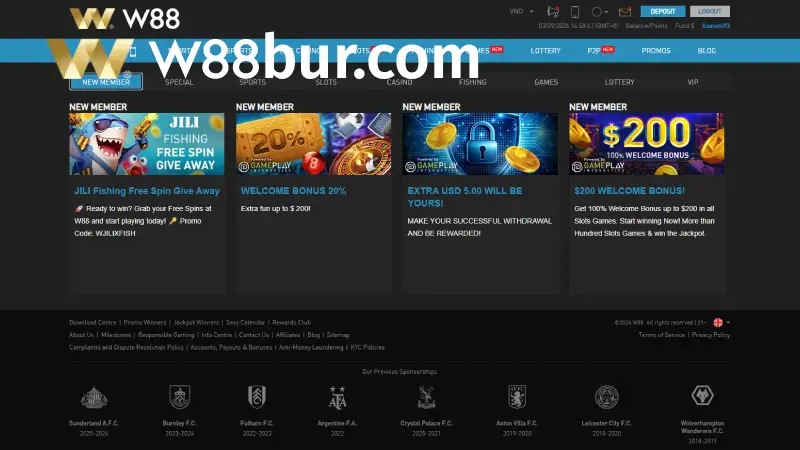
Image captions are an important part of sharing photos, graphics, and social media updates online. A good caption explains the image, adds personality, and helps readers understand the message behind the content. However, when a post includes links related to online gaming platforms such as W88, users should pay attention to where those links lead. Unverified promotional URLs can direct friends and followers to imitation websites that misuse a familiar brand name.
A platform guide brings together important details that readers may need during online research. Link w88 is a relevant keyword for people exploring gaming services. Reviewing the website’s official terms, privacy information, and regional restrictions can help visitors make informed decisions and recognize potential risks.
Creating image captions that don’t send friends to W88 promotion clone sites starts with responsible communication, accurate information, and careful link verification. Whether someone shares a personal photograph, a gaming-related graphic, or a promotional image, the caption should help readers make informed decisions rather than encourage them to visit an unknown website.
1. Why Image Captions Matter
An image can attract attention, but its caption provides context. A short description can explain the purpose of a graphic, identify its source, or encourage readers to learn more about a topic. On social media, captions also help people decide whether a link is relevant and trustworthy.
When sharing W88-related content, a caption should not automatically direct readers to a promotional page simply because the image contains a familiar logo. A recognizable brand name does not prove that a website is official. Clear wording and reliable sources help reduce confusion and make social media posts more responsible.
2. Understanding W88 Promotion Clone Sites
Promotion clone sites are websites that imitate the appearance, branding, or promotional language of an established platform. They may use similar logos, copied images, familiar slogans, or slightly altered domain names to appear legitimate.
Some imitation websites may advertise bonuses, registration offers, or special promotions to attract visitors. Others may collect personal information or encourage users to provide payment details without adequate safeguards.
A caption cannot establish whether a website is genuine. Therefore, users should verify the destination independently before sharing a link with friends. Avoid presenting an unverified promotional page as an official W88 website, even when its design looks familiar.
3. Write Clear and Honest Image Captions
W88 promotion page may provide information about promotional offers, eligibility conditions, and applicable terms. Readers should review wagering requirements, expiry dates, withdrawal restrictions, and other conditions before deciding whether an offer suits them. Promotional rewards are not guaranteed profits, and users should understand the associated risks and limitations.
The best captions explain what an image actually shows. They avoid exaggerated promises, misleading claims, and language that pressures readers to click immediately.
For example, instead of writing a caption that promises a guaranteed reward, describe the image as an informational graphic about online promotions. If the source has not been verified, say so rather than implying that the offer is official.
Clear captions build trust because they allow readers to understand the content without relying on unsupported claims. They are also useful for search engines, which use surrounding text and page context to understand the subject of an image.
4. Verify Links Before Sharing Images
Link verification is one of the most important steps when publishing promotional content. Before adding a URL to an image caption, check the complete domain name rather than relying on the website’s logo or page title.
Look for unusual spelling, unnecessary characters, unexpected redirects, and domains that differ from the platform’s independently verified official address. A secure HTTPS connection is useful, but it does not guarantee that a website is legitimate.
Whenever possible, obtain official links from independently verified brand channels. If you cannot confirm the destination, leave the link out of the caption. Sharing an image without a questionable URL is safer than sending friends to a potentially deceptive website.
5. Examples of Responsible Image Captions
Writers can create engaging captions without making unverified promotional claims. The following examples are suitable for general social media discussions about online safety and gaming-related content.
- Informational image: “Before clicking a promotional link, check the website address and confirm the source.”
- Online safety graphic: “A familiar logo does not always mean a website is official. Verify the destination before sharing.”
- Social media post: “Sharing online content responsibly starts with accurate information and trustworthy links.”
- Gaming discussion: “Explore online gaming information carefully and review the source before following external links.”
- Website awareness image: “Watch for copied branding, suspicious URLs, and promotional claims that sound too good to be true.”
- Friendship-focused caption: “Help your friends stay informed by sharing verified information instead of unconfirmed promotional links.”
These captions focus on useful information rather than encouraging readers to visit potentially misleading websites.
6. Avoid Misleading Promotional Language
Certain phrases can make an image caption appear unreliable. Statements such as “guaranteed rewards,” “instant profit,” or “exclusive official bonus” should not be used unless the claims are accurate, independently verifiable, and presented with appropriate context.
Even when a promotion is genuine, its terms may include eligibility requirements, restrictions, or expiration dates. Omitting these details can create unrealistic expectations.
For W88-related images, distinguish between general commentary, third-party promotional material, and information confirmed by an official source. Do not describe an offer as verified merely because another website or social media account has published it.
Responsible wording protects the credibility of the person sharing the image and helps readers assess information more carefully.
7. Use Image Alt Text and Descriptive Metadata
Captions are not the only text associated with an online image. Alternative text, image filenames, and surrounding page content can also help explain what the image represents.
Write descriptive alt text that accurately identifies the image. For example, an image about website safety might use alt text such as “Graphic explaining how to identify suspicious promotional website links.”
Avoid stuffing alt text with repeated keywords or using it to make unsupported claims about a brand. Search engines and assistive technologies benefit from concise descriptions that communicate the image’s actual content.
For SEO, use relevant phrases naturally in headings, captions, and supporting paragraphs. The goal is to improve clarity and accessibility, not to repeat the same keyword in every sentence.
8. Protect Friends and Followers From Suspicious Links
People often trust links shared by friends because they assume the sender has checked the destination. That trust creates a responsibility to review URLs before publishing them.
Avoid shortening unfamiliar promotional URLs when doing so would conceal the destination. Do not encourage friends to enter passwords, identification details, or payment information on websites that have not been verified.
If a suspicious link has already been shared, remove it where possible and notify people who may have clicked it. If a website requests sensitive information unexpectedly, readers should stop and independently verify its legitimacy.
These simple precautions are relevant to W88 promotion links and to promotional websites across many other industries.
9. Build a Reliable Social Media Publishing Process
A consistent publishing process can prevent mistakes before they reach an audience. Before posting an image, review its source, caption, destination URL, and any claims about the associated promotion.
A practical checklist includes the following steps:
- Confirm that the image comes from a reliable source.
- Review the caption for misleading claims or exaggerated promises.
- Check the complete destination URL independently.
- Remove links that cannot be verified.
- Confirm that the caption accurately describes the image.
- Review the final post before publishing it.
Website owners, bloggers, and social media managers can use this process for promotional graphics, gaming articles, advertisements, and general online safety content.
10. Create SEO-Friendly Captions Without Sacrificing Trust
SEO-friendly captions should be relevant, readable, and useful. Including phrases such as “image captions,” “W88 promotion,” and “website safety” may help establish the topic when those terms accurately describe the content.
However, keyword placement should never take priority over accuracy. A caption that repeats a brand name excessively or promises unsupported benefits may confuse readers rather than help them.
Use a descriptive heading, a concise caption, and supporting text that explains the image’s purpose. When publishing a longer article, organize the content with meaningful subheadings and link to trustworthy resources where appropriate.
Strong SEO content provides genuine value to readers. It does not need misleading promotional language or questionable links to attract attention.
Conclusion
Image captions that don’t send friends to W88 promotion clone sites depend on clear writing, independent link verification, and responsible sharing. A caption should describe the image accurately, avoid unsupported promotional promises, and never present an unverified website as an official destination.
Before sharing W88-related content, examine the domain, confirm the source, and remove any link that cannot be trusted. Use descriptive alt text, natural keywords, and informative language to make images more accessible and useful.
Ultimately, the most effective caption is one that respects the reader’s trust. By prioritizing accuracy over clicks, content creators can publish engaging images, support better online safety practices, and help friends and followers make more informed decisions.