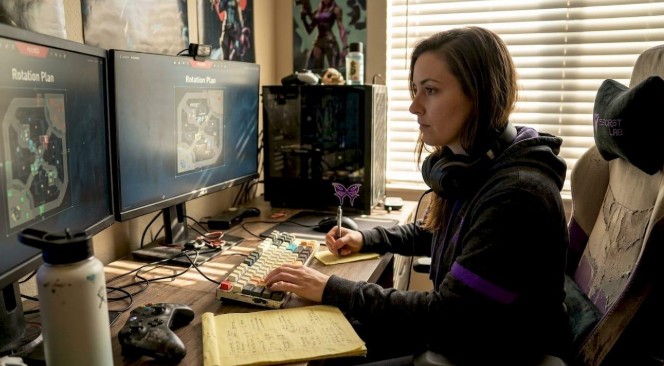
There is a common misconception that successful gamers simply spend countless hours in front of a screen without structure or discipline. From the outside, it may appear that impressive gaming skills are built solely through endless practice, but those who have spent years in the gaming world know that the reality is very different. Whether someone plays casually after work, competes in ranked matches, or participates in professional tournaments, one lesson becomes increasingly clear over time: managing your time well is just as important as mastering the game itself.
Every game, regardless of its genre, revolves around decisions. Players constantly decide where to go, which resources to use, when to attack, and when to wait. Interestingly, the most valuable decision often happens before the game even begins deciding when to play. Successful gamers understand that time is one of the few resources that cannot be recovered. A missed opportunity in a game can usually be replayed, but an hour wasted without purpose is gone forever. That realization often shapes the habits of players who continue to enjoy gaming while also achieving meaningful goals outside the virtual world.
From the perspective of a university student, time management becomes a daily balancing act. Coursework, group projects, presentations, and exams require consistent attention, yet gaming remains an enjoyable way to unwind after intense study sessions. Students who maintain this balance rarely see gaming as a distraction. Instead, they view it as a reward that follows productivity. Completing assignments before logging into a favorite online game creates a sense of accomplishment that makes the gaming experience even more enjoyable. Rather than carrying the stress of unfinished work into every match, they can fully relax, knowing their priorities have already been taken care of.
Working professionals often develop a similar mindset. Modern careers demand focus, creativity, and continuous learning. Long meetings, tight deadlines, and constant communication can leave the mind mentally exhausted by the end of the day. For many professionals, online gaming becomes a healthy transition between work and personal time. However, experienced situs slot players know that this balance only works when clear boundaries exist. They recognize that playing for an hour to recharge is entirely different from sacrificing sleep or delaying important responsibilities. By respecting those boundaries, gaming becomes a source of energy instead of a source of stress.
Competitive gamers perhaps understand the value of time management better than anyone. Many people assume professional players improve simply by practicing for endless hours, but successful competitors know that quantity alone never guarantees progress. Effective practice requires concentration, analysis, and recovery. Playing while mentally exhausted often leads to repeated mistakes rather than meaningful improvement. As a result, many skilled players organize their schedules carefully, combining focused practice sessions with regular breaks, physical exercise, proper nutrition, and adequate sleep. They understand that peak performance depends on the condition of both the body and the mind.
This principle extends far beyond gaming itself. The ability to prioritize tasks, follow routines, and remain disciplined under pressure benefits every area of life. A player who consistently manages their gaming schedule is often better prepared to organize work projects, meet deadlines, and pursue personal goals. The habits developed through thoughtful time management become transferable skills that improve productivity in surprisingly practical ways.
Another important lesson gaming teaches is that progress is rarely immediate. Many online games reward patience more than speed. Players gradually unlock new abilities, earn experience points, and improve their skills through consistent effort rather than overnight success. This slow but steady progression mirrors the reality of personal development. Learning a new language, building a business, improving physical fitness, or advancing a career all require long-term commitment. Successful gamers become comfortable with delayed gratification because they understand that meaningful achievements are built one step at a time.
From a psychological perspective, effective time management also protects the enjoyment of gaming itself. When players lose track of time and neglect their responsibilities, gaming often becomes associated with guilt and anxiety. Instead of feeling refreshed, they begin worrying about unfinished tasks, missed opportunities, or lack of sleep. Over time, the activity that once provided happiness can become emotionally draining. By contrast, gamers who establish healthy routines can enjoy every session without unnecessary stress because they know their responsibilities remain under control.
Social relationships also benefit from balanced gaming habits. Modern online games have transformed into social platforms where friends communicate, collaborate, and share memorable experiences despite living in different cities or even different countries. However, successful gamers recognize that meaningful relationships exist both online and offline. They understand the importance of spending quality time with family, maintaining friendships outside gaming, and participating in activities that strengthen real-world connections. Time management allows these relationships to flourish without forcing players to abandon the hobby they love.
Parents often provide another interesting perspective. Many initially worry that gaming will consume their children’s time and distract them from school or personal development. Yet families who encourage balanced habits frequently discover a different outcome. Children who learn to complete homework before gaming, manage screen time responsibly, and maintain healthy daily routines often develop valuable organizational skills at an early age. Instead of treating mahjong ways gaming as forbidden entertainment, it becomes an opportunity to teach responsibility, self-control, and decision-making.
There is also an important difference between being busy and being productive. Many people fill every hour of the day with activities yet accomplish very little because their attention remains scattered. Successful gamers understand that focused effort usually produces better results than simply spending more time. Whether completing an important mission in a game or finishing a demanding project at work, concentration matters more than endless activity. This understanding encourages players to work efficiently so they can enjoy their free time without guilt or distraction.
Technology itself has made time management even more important. Notifications, social media feeds, streaming services, and online games all compete for our attention every day. Without conscious decisions, hours can disappear almost unnoticed. Successful gamers learn to protect their schedules by creating personal boundaries. Some avoid gaming before completing important tasks, while others limit evening sessions to ensure they get enough rest. These habits are not about restricting enjoyment they are about preserving it. When gaming fits naturally into a balanced lifestyle, it remains exciting instead of becoming overwhelming.
Perhaps the greatest lesson hidden within online gaming is that every choice carries consequences. In strategy games, poor decisions often lead to defeat, while thoughtful planning creates opportunities for success. Life follows a remarkably similar pattern. Every hour invested in learning, working, resting, or relaxing shapes the future in small but meaningful ways. Successful gamers recognize that managing time is simply another strategy one that determines not only success inside virtual worlds but also fulfillment in everyday life.
Ultimately, gaming and productivity are not opposing forces. They can complement each other when approached with intention and balance. Time management allows players to pursue personal ambitions without sacrificing the joy of gaming, proving that entertainment and achievement do not have to compete. Instead, they become two parts of a well-rounded life where work receives full attention, rest is enjoyed without guilt, and every gaming session becomes something to genuinely look forward to.
The most successful gamers are not defined by the number of hours they spend playing. They are defined by the wisdom to know when to start, when to stop, and how to ensure that every moment both in the game and in real life contributes to a meaningful journey forward. In the end, mastering time is often the greatest achievement of all, because it unlocks success not only on the screen but also in the life waiting beyond it.