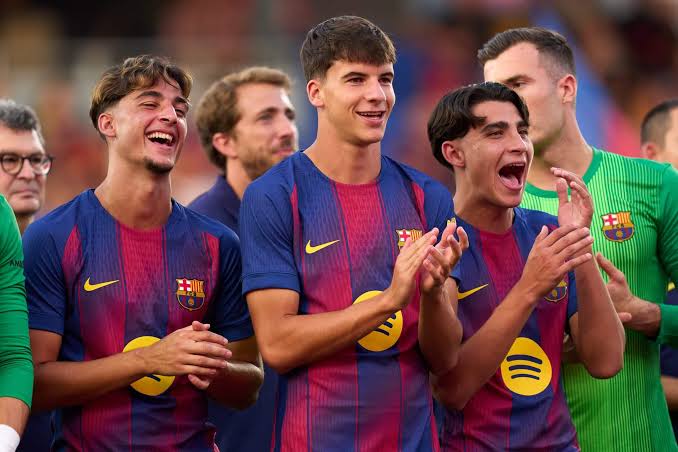
Barcelona has long been known for its possession-based football philosophy, emphasis on technical ability, and coordination between different areas of the pitch. Each generation brings players with their own personalities, but the common thread remains a proactive and creative style of play. When building Barcelona’s strongest lineup, the focus is not only on each player’s reputation but also on how they complement one another on the pitch.
For those who regularly follow football on Xoilac TV, Barcelona currently has several young players who have already gained enough experience to form a dynamic team. The familiar 4-3-3 formation could continue to serve as the foundation for the club to maximise its strength across all three areas of the pitch.
A defence combining pace and solidity
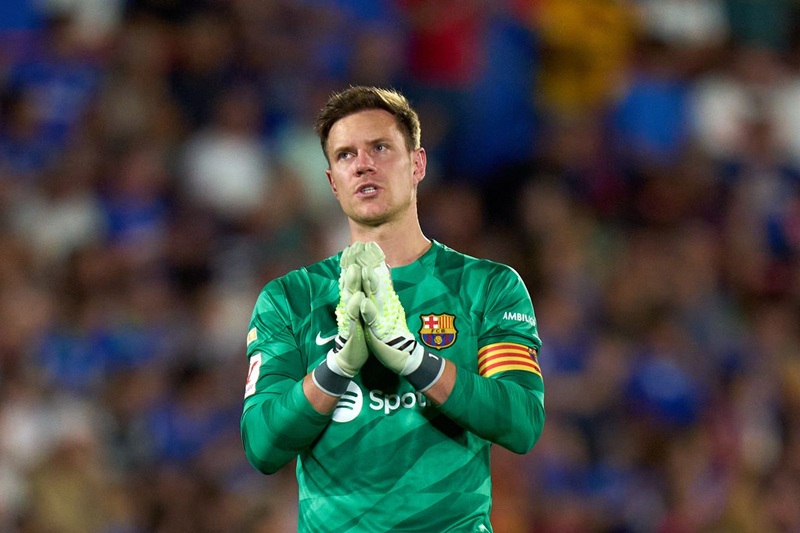
In goal, Marc-André ter Stegen is an experienced option whose ability with the ball at his feet suits Barcelona’s approach to building attacks from the back. The German goalkeeper’s awareness and accurate passing give the team another way to play through the press from its own half.
In defence, Jules Koundé can operate at right-back thanks to his pace, strength in duels, and versatility. At centre-back, Ronald Araújo and Pau Cubarsí form a complementary partnership. Araújo brings physical strength and direct defensive ability, while Cubarsí stands out for his reading of the game and composure on the ball.
At left-back, Alejandro Balde is an excellent option in terms of pace. His forward runs can provide additional width in attack while creating space for the forwards to move into central areas.
Viewers of Xoilac 86 can easily see that Barcelona often tries to involve its full-backs in the build-up. This is an important factor in helping the team establish a numerical advantage in midfield.
A midfield that embodies Barcelona’s identity
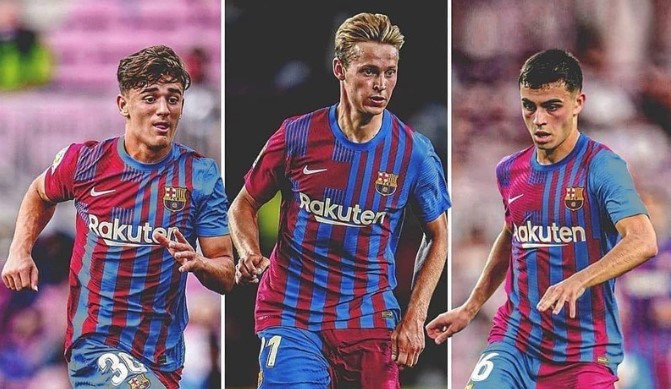
If one area best represents Barcelona’s identity, the midfield is certainly worth watching. Pedri, Frenkie de Jong, and Gavi form a trio capable of controlling possession, moving fluidly, and connecting different areas of the pitch.
Pedri possesses delicate ball control and excellent vision, and he regularly looks for spaces between the opposition’s midfield and defensive lines. Frenkie de Jong, meanwhile, offers the ability to escape pressure, carry the ball forward from deep, and dictate the tempo.
Gavi is an energetic player who is never afraid of a challenge and constantly puts pressure on opponents. When these three work effectively together, Barcelona can control the midfield without relying entirely on long passes.
Following kqbd only reveals the final result of a match, whereas watching the action unfold helps fans better understand how Barcelona’s midfield establishes control of the game.
A fast attacking line with a high level of creativity
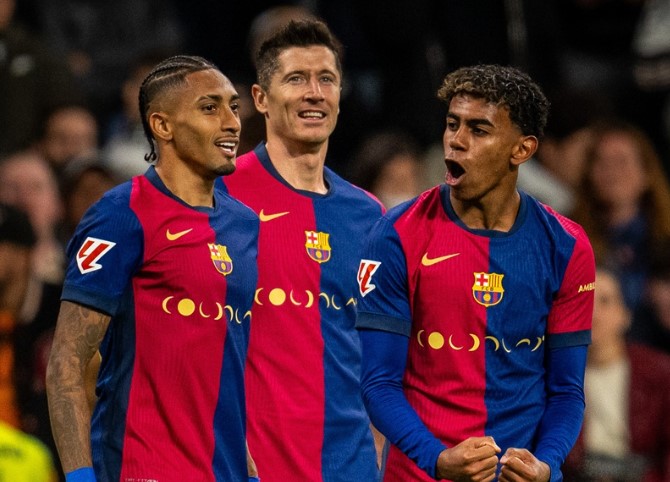
In attack, Lamine Yamal is a particularly noteworthy option on the right wing. The young Spanish player possesses excellent dribbling skills, can operate in tight spaces, and creates chances through his unpredictable and imaginative play.
On the left wing, Raphinha brings pace, intelligent off-the-ball movement, and dangerous finishing. Meanwhile, Robert Lewandowski leads the line with his experience, positional awareness, and natural goalscoring instinct.
This trio creates an interesting balance. Yamal can cut inside to combine with the midfielders, Raphinha can exploit space out wide, and Lewandowski provides a target for the final passes.
Viewers watching Xôi Lạc 86 often pay particular attention to Barcelona’s ability to transition from possession-based play to direct attacks. A single piece of skill from Yamal or a line-breaking pass from Pedri can create a dangerous opportunity.
The 4-3-3 formation and Barcelona’s strongest lineup
If the aim is to select a lineup that balances experience, youth, and possession control, Barcelona could field the following starting eleven:
- Goalkeeper: Marc-André ter Stegen
- Defenders: Jules Koundé, Ronald Araújo, Pau Cubarsí, Alejandro Balde
- Midfielders: Frenkie de Jong, Pedri, Gavi
- Forwards: Lamine Yamal, Robert Lewandowski, Raphinha
Of course, this lineup may change depending on the opposition, players’ form, and tactical requirements. Barcelona has several alternatives available, making rotation essential over a long season.
Playing style determines the team’s strength
What makes Barcelona special is that its strength does not come solely from individual players. Even a talented footballer can only reach their full potential within the right system. Quick ball circulation, triangular passing combinations, and constant movement allow Barcelona to maintain pressure on its opponents.
In addition, the pace of the wingers prevents the team from being limited to short passing combinations. When opponents push forward, Barcelona can exploit the space behind their defensive line to launch direct attacks.
The kqbd statistics can reflect a team’s results, but the action on the pitch reveals the quality of its overall play. This is also why Barcelona fans often spend time watching entire matches rather than checking the scores alone.
An optimised 4-3-3 formation combines experience and composure with Barcelona’s vibrant youthful energy.
Barcelona and a promising generation of players
Barcelona’s strongest lineup currently blends experienced players with a highly promising young generation. Lewandowski and ter Stegen provide experience, while Pedri, Yamal, Cubarsí, and Gavi represent youth and ambition.
If Barcelona can maintain a balance between possession, pressing, and direct attacking play, it can build a core lineup flexible enough to face different types of opponents. For Xoi Lac TV fans, the team’s appeal therefore lies not only in its goals but also in how each position connects to form a cohesive system.
From a defence capable of building play, through a technically gifted midfield, to an attack blessed with pace and creativity, this lineup reflects Barcelona’s identity: youthful, proactive, and always striving to control the game.